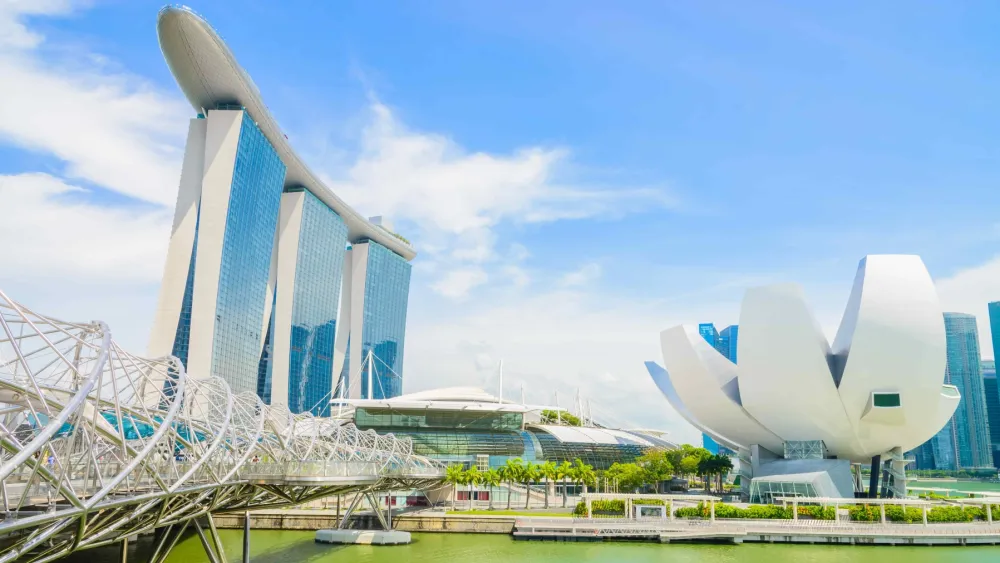
Why analysts were shocked by Singapore's quick inflation shrinkage
It only rose 0.4%.
According to OCBC, inflation retreated faster than expected in Feb, rising by only 0.4% yoy (slowest since Jan 2010) and a sharp pullback from the 1.4% yoy seen in Jan, as private road transport costs fell a significant 7.1% yoy (due to high base effects) and the dip in petrol pump prices.
In on-month terms, headline CPI fell 0.1% on a non-seasonally adjusted basis, and marking the second mom drop in three months.
Here's more from OCBC:
This also contrasted with our forecast for +0.8% yoy (+0.2% mom) in Feb, and the Bloomberg consensus forecast of +0.9% yoy (+0.2% mom nsa).
On the housing front, fuel & utilities and household durables also fell on-year, which coupled with more gradual increases in imputed rentals on owner-occupied accommodation, may help to keep a lid on housing-related inflationary pressures going forward.
Notably, CPI excluding accommodation fell 0.1% yoy (-0.1% mom) in Feb in its first decline since Nov 2009. Food inflation also eased from 3% in Jan to 2.3% in Feb “due to the correction in non-cooked food prices after the Chinese New Year as well as the high base last year”.
The subsiding food inflation was most apparent in sugar, cooking oil, seafood prices which led declines in February.
MAS core inflation also subsided from 2.2% in Jan to 1.6% in Feb, attributed to less costly food and services. While MAS expects overall imported inflation to remain subdued, domestic costs could pass through more significantly to consumer services, as firms face rising costs from labour.
This is already apparent for tuition & fees (+3.4% yoy), healthcare costs (+4.0% yoy) and recreation & entertainment (+2.9% yoy) in Feb.


























 Read Here
 Advertise
 Sign Up