
Singapore targets captive insurance growth
Smaller companies could gain a lower-cost way to manage risk.
Singapore's proposed insurance structure could make captive insurance and insurance-linked securities easier and cheaper to establish by lowering costs and reducing administrative work, analysts said.
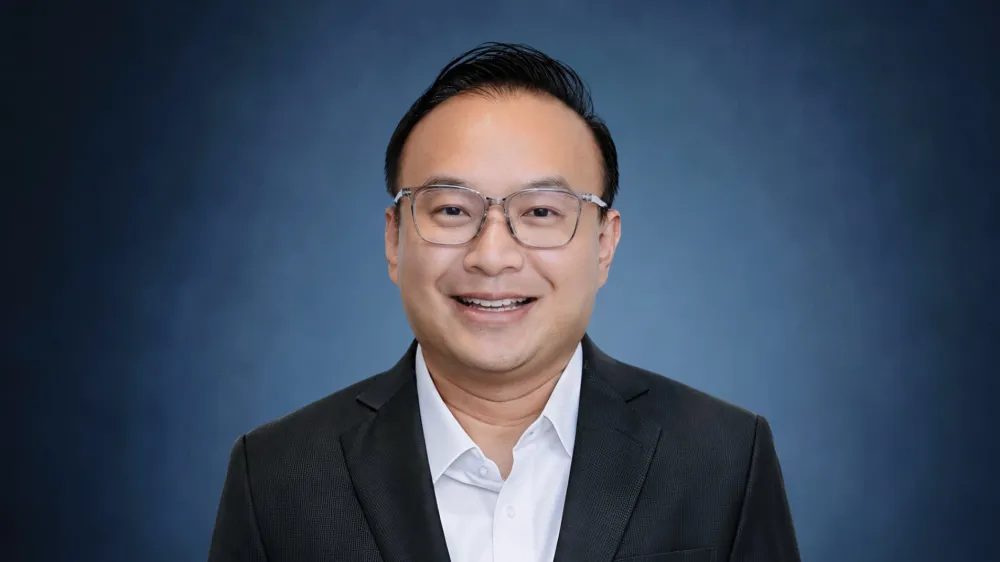
George Ong, regional director at Aon Insurance Managers (Singapore) Pte Ltd., said the proposal could make captive insurance more accessible by lowering entry costs and giving companies an alternative to establishing standalone captive insurers.
He said demand could come from mid-sized companies seeking lower-cost ways to manage risk, bigger organisations taking a phased approach to captive ownership, and businesses exploring insurance-linked securities.
The Monetary Authority of Singapore (MAS) is consulting on a protected cell company framework that would let multiple insurance programmes operate under one legal entity whilst keeping each programme's assets and liabilities separate.
The regulator said the framework would support captive insurers—insurance companies established by businesses to cover their own risks—and insurance-linked securities, which lets insurers transfer insurance risk to investors.
MAS said companies need separate legal entities for different insurance programmes, increasing costs and administrative work.
“It is too early to quantify the potential growth of Singapore's alternative risk transfer market, as outcomes will depend on the final framework and market adoption,” Ong told Singapore Business Review in an emailed reply to questions.
Sean Welsch, Asia captive consulting leader at Marsh Asia Pte. Ltd., said similar structures have expanded faster than traditional single-parent captive insurers in other markets because they require less upfront capital, take less time to establish, and cost less to operate.
Based on Singapore's 89 licensed captive insurers, Welsch said the market could add 50 to 90 cells within the first five years after the framework takes effect.
That could increase to as many as 150 cells if several protected cell company platforms are launched early and the framework supports a broader range of business uses, he said.
Welsch said the lower cost and simpler structure could encourage more captive insurance and insurance-linked security transactions whilst giving companies, sponsors, and investors greater flexibility.
Ong said the framework could also provide companies that are not ready to establish standalone captive insurers with a simpler way to manage risk.
Both said the framework's success should be measured by the number of protected cell companies and cells established, growth in the issuance of captive insurance and insurance-linked securities, and the amount of risk and capital managed through Singapore.
They said long-term adoption depends on the final rules and how quickly companies embrace the structure.








![[Singapore Business Review] Report on the Asian Business Channel](https://www.cmgassets.com/s3fs-public/styles/video_thumbnail/public/2026-10/full-show-thumbnail_1.png.webp?VersionId=bJbrT_JKOuMWBnf7YkmsWjOSWIXddSvY&itok=zWuxHRNG)











 Read Here
 Advertise
 Sign Up