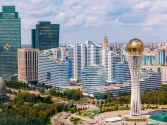
Shifting Singapore’s success
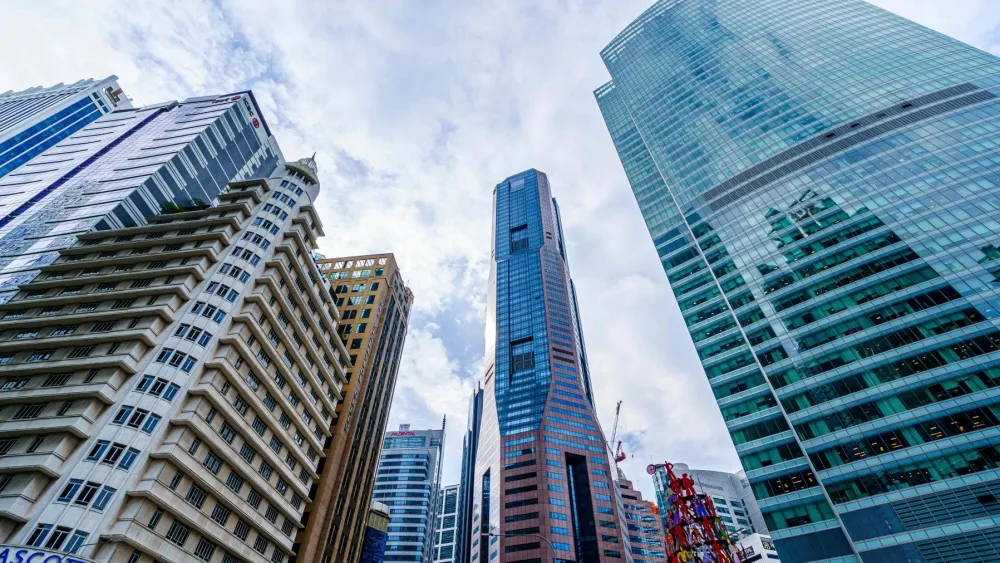
Singapore is an ever-changing landscape of global and local forces. And as the skylines changes, the daily lives of Singaporeans are changing to now focus on a new perception of what it means to be successful.
Yes, luxury cars and designer handbags are still rampant, but now the way to acquire such items has changed. Gone are the days when it was unique or cool to be a Banker or Doctor.
Long live designers, architects and entrepreneurs. Even within youth we are starting to see more of an emphasis on holistic learning and experience than necessarily money. And the benefits to growing the definition of success? Continued economic output.
Due to Singapore’s unique position as a crossroads between east and west, industries such as shipping and banking have flourished due to both physical location and a strategic time zone.
It is this location that continues to draw in unique industries that push the boundaries of achievement. In 2003 the DesignSingapore Council was launched to position Singapore as a hub for creativity by developing design-oriented industries.
According to global giant Philips, Singapore was chosen as its key design studio because of its position as a “crossroads of the east and west . . . the diversity of skills, the disciplines – and because we approach design and problem solving in a multi-disciplinary way.” 1
Evident amongst our city landscape and our own people is the rise of visual symbols of success that go beyond the corporate world.
Yes, Marina Bay Sands has become a global hallmark of Singapore’s economic status, but its unique design marks the city’s desire to produce symbols of success that go beyond grey facades and crowded sidewalks.
The building of Mediapolis encourages success in the entertainment arena while such events as Women’s Fashion Week positions aspiring local talent amongst the most heralded designers in the world. Not only is Singapore catering for the growth of markets beyond the tried and traditional, it is also applauding success within these realms.
From Spring’s Innovation Excellence Award to the President’s Design Award, Singaporeans are encouraged to push boundaries and be innovative.
The future launch of Yale-NUS is recognizing that Singapore needs to develop a multi-faceted skillset amongst its future leaders if it has any hope of producing citizens who can compete in an ever-increasingly fierce job market.
Even the youngest Singaporeans are encouraged to chart their own education and definitions of success with such tools as “TrialShuttle” – a tool that aids teachers in their quest for more productive, “successful” citizens.
As we look to the future of this small city-state, in order to continue to push economic success and influence on the global market, the measures of success along the way have started to shift and need to continue to do so.
It is not about training Singaporeans to perform technical tasks better, but rather it is training them to be more well-rounded individuals who can think holistically and create standout work across any field. To push boundaries and drive innovation is what will be applauded and revered by the local market. Success will be Singapore's, but only if it continues to believe itself successful and innovates the very definition of what this word means.
1 Low Cheaw Hwei, “inspiring Innovation through Design Creativity.” Talent Capital Singapore. 16 February 2012. Available at
Nicky Nole, Strategic Planner, Iris Worldwide
























 Read Here
 Advertise
 Sign Up