
Singapore's real estate draws global investors
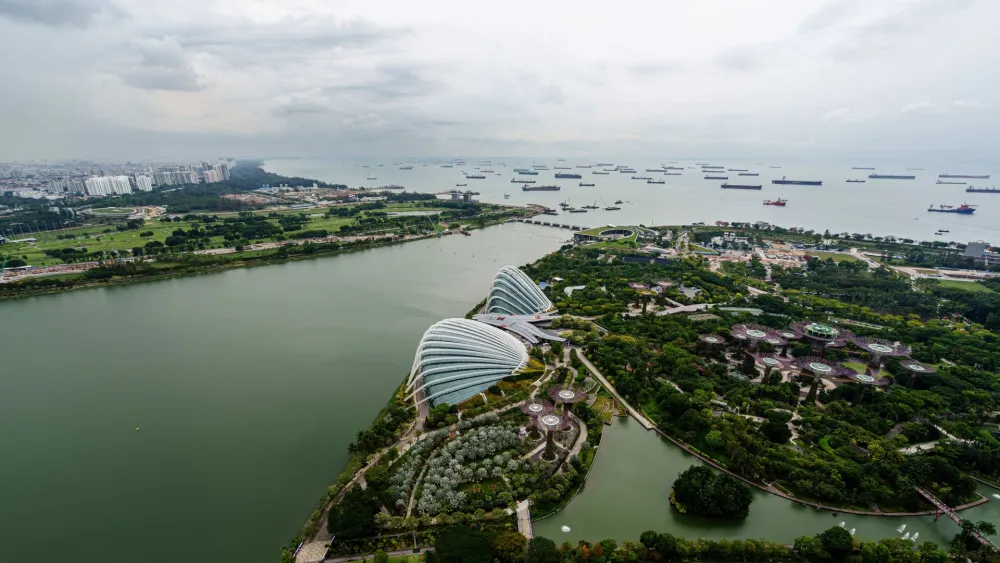
Singapore stands as a highly favorable bet for global real estate investments with a stable yield for total returns.
Singapore's real estate market continues to draw global investors, driven by the country's meticulous urban planning and transparent policies.
Wei Leng Tang, Managing Director & Head of Capital Markets at Colliers Singapore, said that despite its limited land and resources, Singapore has long excelled in maximizing land use through strategic planning and economic development, spearheaded by government bodies such as the JTC, HDB, and URA.
"Our policies are transparent...allows them to gather feedback to fine-tune their plans," Tang explains, highlighting the government's regular dialogues with the private sector. This transparency and the systematic organization of land use provide a stable environment that investors find appealing.
One notable policy is the Additional Buyer's Stamp Duty (ABSD), perceived by some as a constraint. However, Tang argued that it contributes to market stability by influencing pricing strategies.
"They understand that there is a timeline to it, and they will have to price the land and the apartments based on that constraint," she said, emphasizing the importance of transparency for informed investment decisions.
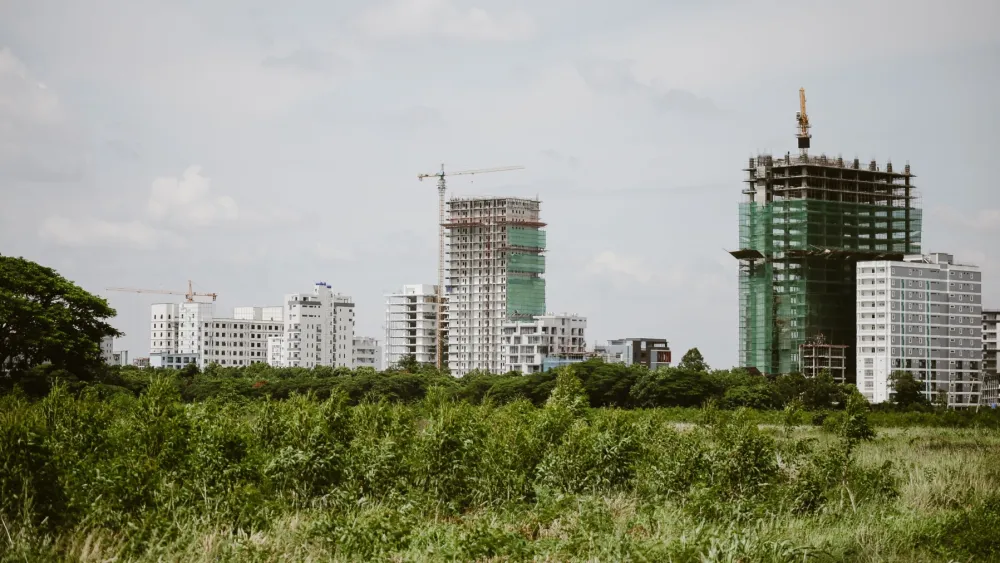
Anticipated trends in the market include changes in real estate usage due to evolving work patterns and technological advancements. Hybrid work models, for instance, are transforming office space requirements, reducing the need for large footprints and promoting the office as a hub for social interaction and idea generation.
Similarly, advancements in technology and the rise of online retail are affecting industrial and retail spaces, necessitating a focus on experience and potentially leading to excess space that can be repurposed.
“Now, from that functional space, to the excess space, there will be a design consideration to look at how we can design all this space to be more flexible,” she said.
When asked about sectors where investors should tread cautiously, Tang pointed to the office sector, undergoing significant transformations due to hybrid work and changing preferences.
The uncertainty around the final form of office space usage makes investment decisions challenging. "I think this makes investment decisions difficult...would affect the returns on investments," Tang noted, stressing the importance of observing changing trends.
The advancement in technology also poses a challenge, as it could lead to excess space in industrial sectors, raising questions about the viability of investments based on potential alternative uses. Moreover, changes in work patterns and lifestyles, including increased mobility post-pandemic, are impacting the residential sector, suggesting a shift in traditional housing perspectives.




















 Read Here
 Advertise
 Sign Up








Commentary
Singapore’s energy market needs more than accurate AI forecasts
The next frontier for insurance trust is beyond the login
Can governance keep pace with smarter technology?
Singapore’s nursing hours we cannot afford to lose
How Singapore businesses can turn automation into shared value
Rethinking authority: A systems thinking perspective on Singaporean workplaces
What matters for Singapore’s AI future is consistency, not brilliance
The AI pilot worked. Now comes the real test