WeWork IPO crisis could hit Singapore's co-working operators
CapitaLand Commercial Trust has the highest exposure to co-working risk.
WeWork’s increasingly uncertain future following its shelved IPO and management changes has exposed Singaporean co-working operators to rising risk in the sector, compounded by shrinking supply in the pipeline.
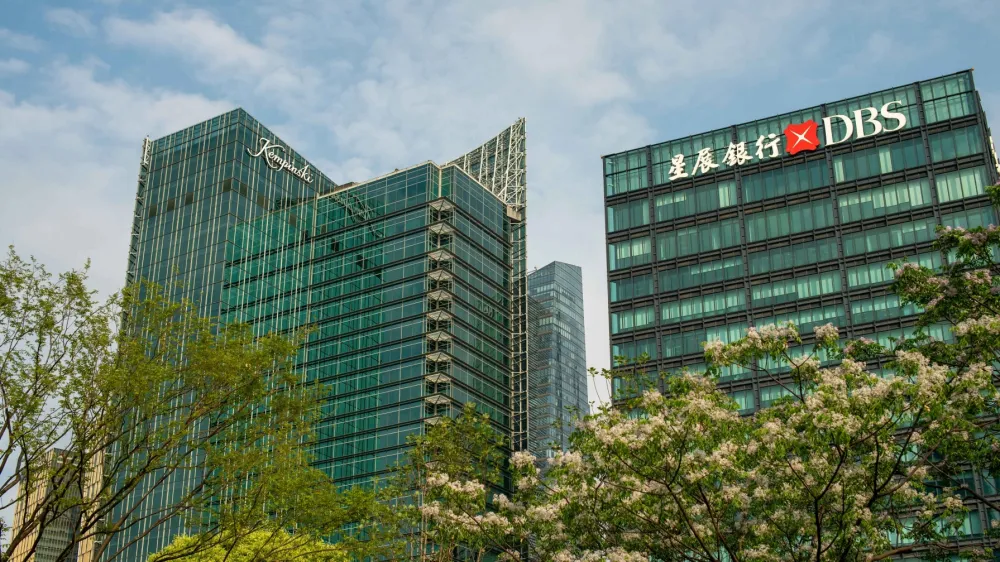
DBS Equity Research analysts Derek and Rachel Tan said that amongst landlords, CapitaLand Commercial Trust (CCT) has the highest exposure to coworking tenants at 10% of NLA (WeWork at 4%) whilst most office REITs’ exposure is <5% (<2% to Wework).
Despite this CCT has ample time re-strategise in the worst-case scenario that WeWork fails to deliver on the least at 21 Collyer Quay in 2021, the analysts noted.
"We believe that even in the case of weaker spot rents, there is ample buffer for positive rental reversions given the low expiring rents in 2020-2021 for most office landlords. In this space, stocks with minimal exposure to coworking operators are UOL and KREIT,” they added.
Additionally, although investors’ concerns on the viability of the co-working business was heightened due to WeWork, the segment will likely remain strong in Singapore--even though growth is projected to slowin the coming years as supply growth contracts.
“Whilst investors are concerned about the viability of having these operators as a tenant, we believe that the coworking business is here to stay with demand from entrepreneurs, freelancers, and start-ups,” the analysts noted.
Operators backed by landlords and developers such as Distrii by City Developments, Justco by Frasers Property and The Work Project by CapitaLand are more viable options, the report stated.
“In view of the slowing economy and a mini hike in supply of 1.7 million sqft in 2020-2021, we believe that there is rising risk of (i) slower than anticipated take-up rates, and (ii) potential stagnating of prime office rents, which stands at $11.30psf as of Q2 2019, up 26% from the lows in Q2 2017,” the analysts said.
Colliers International said that flexible workspaces in the island has tripled to 3.7 million sqft since 2015, propelling Singapore just behind Tokyo amongst cities with the highest number of coworking centres in Asia. DBS Equity Research believes that about 30-90% of absorption came from co-working operators.


















 Read Here
 Advertise
 Sign Up