

Singapore keeps retail out of crypto for now
The central bank is unlikely to change its stance in the next two to three years.
Singapore is making steady progress in digital assets and tokenisation, but retail customers are unlikely to see major access anytime soon.
Regulators remain cautious about opening the space, even as adoption grows in payments and institutional investment, a market expert said.
“There is definitely a hesitance on the part of the regulator to introduce digital assets to retail customers,” Yingyu Wang, a partner at Simmons & Simmons JWS Pte. Ltd., told Singapore Business Review.
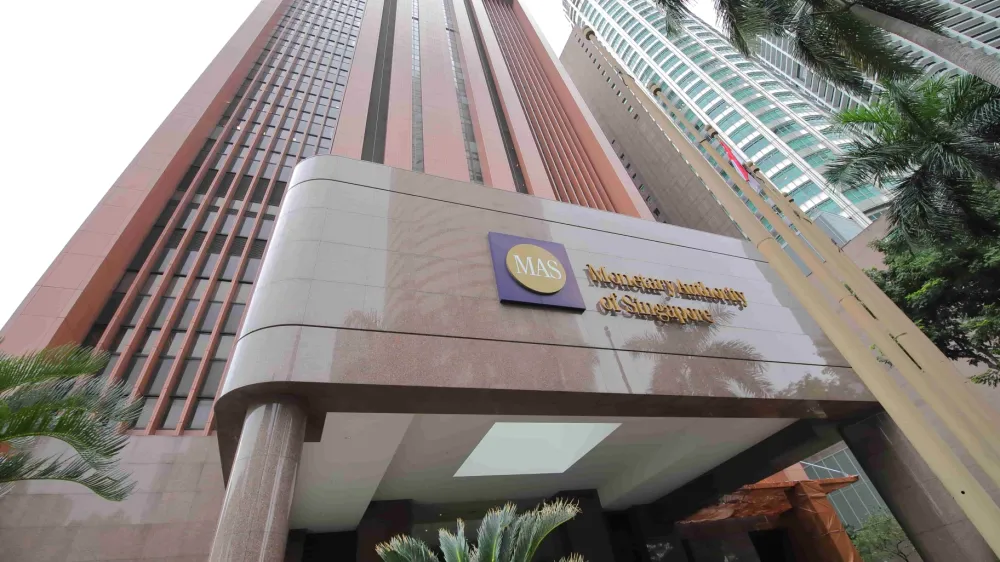
She added that “it would appear that the retail segment has been deliberately slowed down” and does not expect the Monetary Authority of Singapore (MAS) to change its stance in the next two to three years.
Still, the digital asset space in Singapore is gaining momentum. Wang expects tokenised payment products such as stablecoins and tokenised money market funds to increase adoption and blend traditional finance with crypto-backed offerings.
“That would be the next phase, if you ask me: looking at digital assets for the usage of payments,” she said via Zoom, citing opportunities in instant transfers that could cut costs for service providers.
“In the payment space, the profit margin is very low for the service providers,” Wang said. “A lot of them make money from, say, foreign exchange. So from a payment service provider perspective, I do think at least some of my clients… want to be able to achieve instantaneous transfers.”
Interest in digital assets surged after the US passed a law setting up a framework for payment stablecoins. Locally, Singapore had an early lead: the central bank began consulting the market on digital payments in 2017, laying the groundwork for the Payments Services Act.
By 2019, regulations had focused on activities rather than specific products, allowing flexibility for emerging technologies.
MAS uses broad, tech-neutral rules. Existing laws on consumer protection, anti-money laundering, and terrorism financing helped Wang advise clients before specific digital asset rules existed.
Tokenisation and quantum computing may prompt regulatory updates. “Tokenisation is something we definitely need to look into,” Wang said. “And I’m very sure the regulators are looking into it as well.”
Compared with Hong Kong, Singapore has a more mature digital asset framework, though Hong Kong imposes stricter storage rules for crypto, requiring 98% of assets in cold wallets versus Singapore’s 90%.
Wang said Singapore regulates a broader range of digital assets, whilst Hong Kong focuses on virtual asset exchanges.
The approaches to central bank digital currencies and decentralised finance will also shape each market. Wang noted that regulators should decide how private tokens will interact with these currencies. “Am I willing to give up certain controls over that?” she asked.
Wang is sceptical about unregulated decentralised finance adoption. “If you want to be in this space and you don’t want to be regulated, you can’t go far. The reality is that you can’t get institutional support.”
Many clients, she added, have chosen to operate within regulatory frameworks. “Regulation is the way to go. In fact, a lot of my clients have now decided to be regulated.”












![[Singapore Business Review] Report on the Asian Business Channel](https://www.cmgassets.com/s3fs-public/styles/video_thumbnail/public/2026-10/full-show-thumbnail_1.png.webp?VersionId=bJbrT_JKOuMWBnf7YkmsWjOSWIXddSvY&itok=zWuxHRNG)













 Read Here
 Advertise
 Sign Up









