Why freelancing is not exactly a free-for-all career
Self-employed workers often have to manage their back-end needs.
Singapore’s pool of freelancers is getting larger with estimates pegging the number of those in an independent setup to be around 200,000. And along with the anticipated rise of this figure are the evolving needs of these workers, making a career in freelancing more difficult than what most people think.
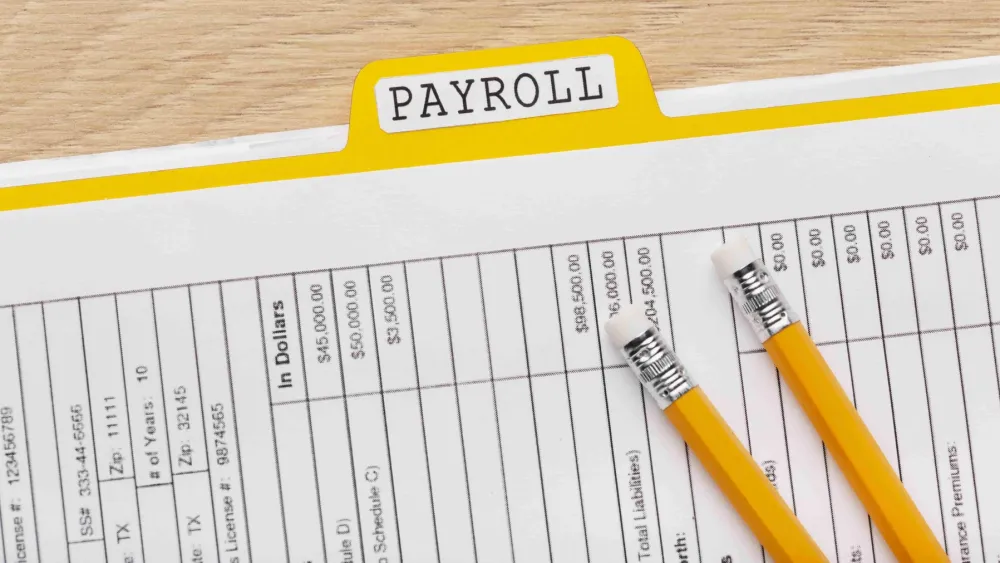
According to Singapore’s National Trades Union Congress, freelancers often have to manage their back-end needs as individuals. Unlike in a company setting when specific jobs are assigned to qualified professionals, self-employed workers have to worry about their own accounting, marketing, legal, and working space, among other requirements.
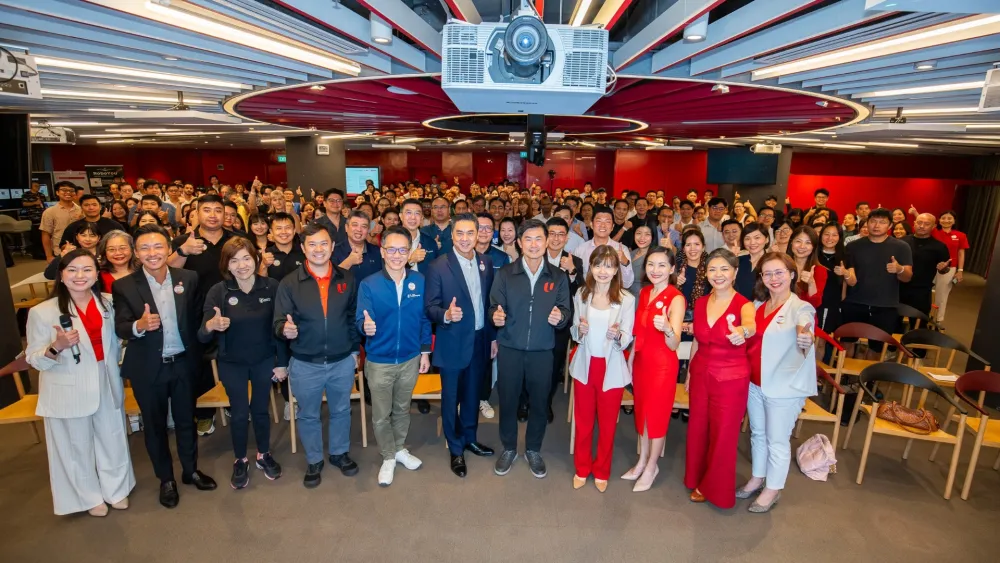
The labour movement staged a fair for freelancers to connect them to resources and services that can help make their career a more viable and sustainable one.
The fair featured 16 establishments which are able to provide business solutions for freelancers such as a free-to-use cloud-based accounting software. There were also services that responds to other business necessities like in the areas of administration, legal, payment, digital marketing, working space and others. Ten service aggregators, meanwhile, provide platforms for freelancers to tap on for additional job and business opportunities.
“Through our interactions with freelancers, many told us that the learning curve was steep as they had to learn from scratch or learn through mistakes. This was especially true in the areas of support functions such as finance, legal, administration and others that they have to handle on their own,” NTUC said.
The group expects the participants of the fair to continue supporting each other and create a more sustainable freelancing career option for everyone.























 Read Here
 Advertise
 Sign Up