MAS mulls changes to S-REIT leverage limits
REITs may soon be able to take on more leverage if they meet the minimum ICR.
The Monetary Authority of Singapore (MAS) is reviewing the leverage limit set on REITs in an effort to provide the sector with more flexibility to manage their capital structure and streamline their fundraising processes, according to a government release.
Also read: Here's why investors ditch developer stocks for REITs
“One possible approach is to use a combination of leverage limit and minimum interest coverage requirement in determining the amount of leverage that REITs should be allowed to take on,” the de-facto central bank said in a statement. This ensures that REITs are able to take on higher leverage provided that they meet minimum interest coverage ratio (ICR).
A leverage limit would ensure that a REIT is well-capitalised and a minimum ICR strengthens a REIT’s debt-servicing ability.
Currently, REITs are subject to a 45% leverage limit which acts as a safeguard against the pursuit of highly geared property acquisitions. Singapore and Hong Kong impose a leverage limit of 45% whilst Malaysia sets a 50% limit. Thailand allows REITs to leverage up to 60% if they have an investment grade credit rating. Belgium, Germany and Netherlands have limits ranging from 60% to 66.25%. On the other hand, the US, Canada, Australia, France and Japan, on the other hand, do not impose any leverage limit.
Also read: S-REITs DPU to grow 2% in 2020
The regulator is also exploring the possibility of allowing a REITs leverage to exceed 45% but not more than 50% if the REIT has a minimum ICR of 2.5 times after taking into account the interest payments arising from the new debt. Moreover, a REIT that has demonstrated ‘good financial discipline’ could also be allowed a higher leverage of around 55%.
The regulator is also proposing to remove the requirement for REITs to submit a notification to MAS to obtain a “Restricted Scheme” status when making an offer of units to accredited and other investors as part of an effort to make the fundraising process for REITs more efficient.
“MAS is of the view that it would not be necessary to subject REITs to the Notification Requirements, given that they are (i) authorised by MAS under the Authorisation Regime, and (ii) required under SGX-ST’s listing rules to disclose all material information in a timely manner,” the agency said.
MAS is inviting views and suggestions for the proposed changes. All written comments have to be submitted by 01 August.
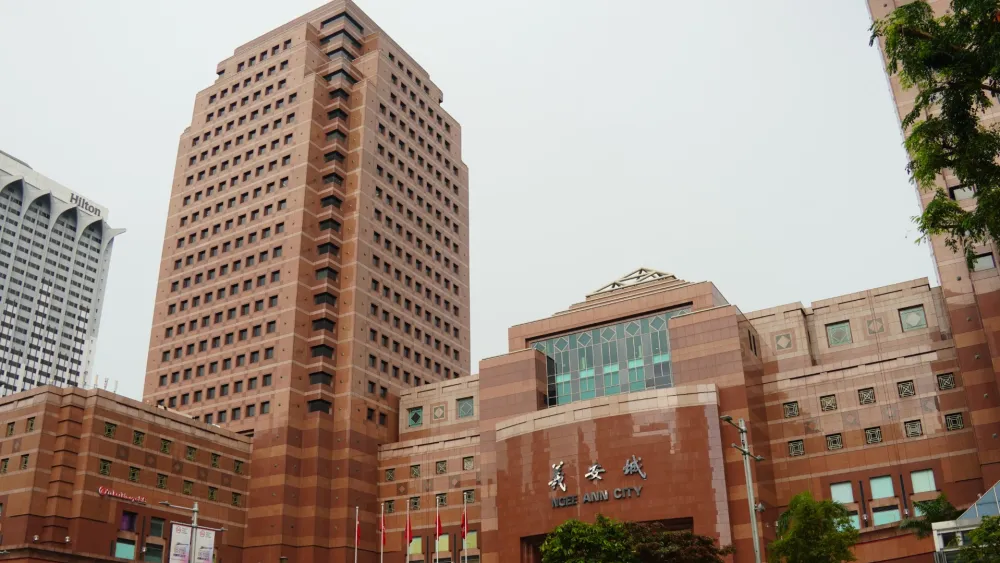
Photo from Sasseur REIT

























 Read Here
 Advertise
 Sign Up