Monday Wrap: Workplace wellness, scam rules, and MAS outlook
Meanwhile, retailers were urged to target AI at specific business needs.
Last week in Singapore Business Review, TOUCH and CapitaLand opened Singapore’s first integrated workplace wellness centre in the CBD, a new anti-scam law expanded police powers, and economists said MAS could tighten monetary policy again in the first half of 2027.
TOUCH Community Services and CapitaLand have opened Singapore’s first integrated workplace wellness centre in the Central Business District, offering counselling, mindfulness sessions, art therapy, and AI-enabled health screening.
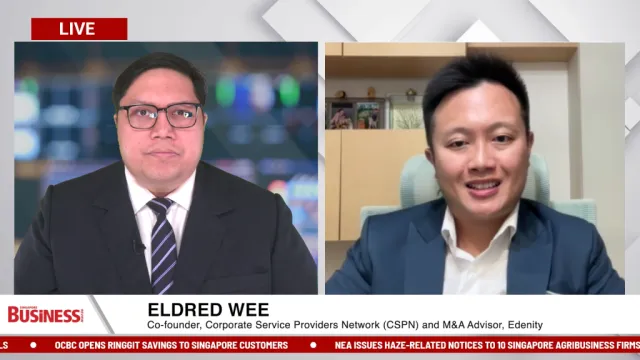
Singapore’s Scams (Countermeasures) and Other Matters Act 2026 expands police powers to disrupt scams, allowing authorities to disable accounts, compel information disclosure and restrict services. It also raises the maximum penalty for service providers violating compliance directives from $1m to $10m.
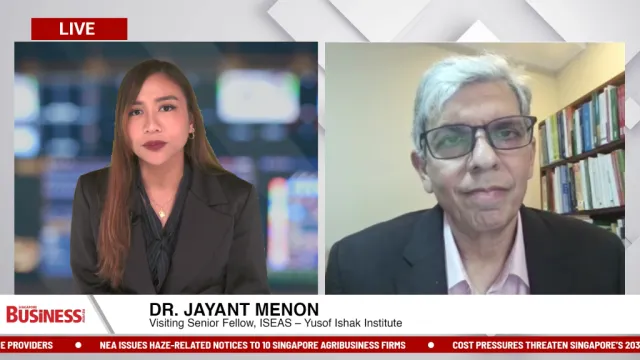
MAS could tighten monetary policy again in the first half of 2027 as energy, food, and domestic cost pressures threaten to lift inflation, according to economists.
Esther.AI Pte. Ltd. is targeting small and medium-sized businesses wary of cloud-based AI and lacking in-house engineering teams with Estha, a no-code platform that lets businesses build and deploy AI applications locally using Apple Silicon.
Lastly, Singapore retailers were urged to target AI at specific business needs and set clearer rules around its use at the Retail Asia Summit 2026. KPMG Singapore’s James Wilson said retailers do not need to consolidate all their data before deploying AI, and split applications into productivity, cost avoidance, and growth.




















 Read Here
 Advertise
 Sign Up