STI dividends could soar 29% to $20.9b in 2018: IHS Markit
The banking, telecommunication, and real estate sectors are expected to contribute $13.5b to the total.
Companies in the FTSE Straits Times Index are expected to return $20.9b in dividends to shareholders this year, up 29% from $16.2b in 2017, IHS Markit said in a forecast.
IHS Markit Dividend Forecasting senior research analyst Chong Jun Wong noted that dividend growth had been lacklustre in recent years due to the collapse in oil prices, as oil and gas companies reduce payouts and banks become conservative with dividends, as a result of the decrease in their bottom line figures.
Wong said, “However, dividends announced since the beginning of this year, suggests a turnaround in payouts from the benchmark index. The index now boasts an average forward dividend yield of 3.8% based on our forecasts, the highest compared with other benchmark indices in the region.”
The forecast revealed that dividends from STI are anchored by the banking, telecommunication, and real estate sectors. On aggregate, dividends from these sectors are estimated to grow by 30% year-on-year to $13.5b, which represents nearly two-thirds of the projected aggregate dividends in 2018.
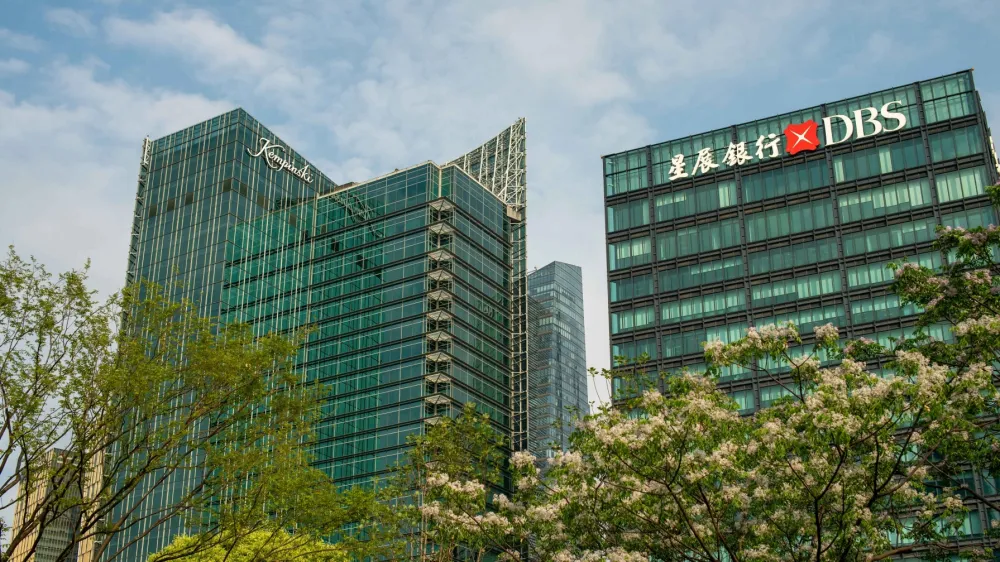
The banking sector comprises of DBS Group Holdings (DBS), United Overseas Bank (UOB) and Oversea-Chinese Banking Corporation (OCBC), and Wong forecasts these three banks to announce $7.7b in dividends in 2018, translating to an uplift of around 80% from the amount registered a year ago.
“Firstly, although the price outlook of oil remains dull due to oversupply concerns, the banks had cleaned up their balance sheet in recent quarters and have recorded the necessary impairments. Management teams asserted that risks from the struggling oil and gas sector are well contained, and this implies that there should not be any unexpected bad debt expenses over the short term, which could cause a drag on its bottom line growth,” Wong said.
Also read: It's raining dividends at OCBC and UOB
“The banks have - to various degrees - provided some form of dividend guidance for the current year. This highlights the confidence they have in their performance over the short term,” he added.
Meanwhile, real estate companies are expected to deliver dividends of $2.6b, which represents an uplift of around 7.1% from the dividends declared in 2017. Property developers account for around 55% of aggregate dividends from the sector, and Real Estate Investment Trusts (REITs) account for the remaining 45%.
Wong noted that property developers, that is Capitaland Limited (CapitaLand), City Developments Limited (City Developments), Hongkong Land Holdings (HK Land) and UOL Group Limited (UOL), have consistently paid out flat or higher dividends in recent years. “This phenomenon is supported by their aim to derive a significant component of their earnings from their investment properties, which are recurring in nature and provide some visibility to bottom line figures.”
On the downside, aggregate dividends from the telecommunication sector are expected to fall in 2018 due to the absence of the one-off special dividend from Singapore Telecommunications Limited (Singtel) in 2017.
Wong said payouts are projected to be relatively flat in short-term, weighed on by intense intra-industry competition. “Competition is harsh in the Singapore telecommunications sector. Notably, the decrease in revenue experienced over the past year from the mobile services segment suggests that companies have been undercutting prices to retain and attract customers,” he added.



















 Read Here
 Advertise
 Sign Up