Asia Pacific absorption rate rises 20% in 2017
Thanks to strong leasing activity in China, Manila and Bengalaru.
Demand for office spaces has been robust in the Asia-Pacific as the region recorded a 20% increase in absorption gains on the back of higher leasing activity in Tier 1 cities in China, Manila and Bengaluru, according to Cushman & Wakefield’s Q3 Asia Pacific Office overview.
Demand remains on an upward trajectory with Gurgaon’s central business district in India posting the tightest vacancy rate at 2.9% followed by Tokyo at 3.5% and Manila at 5.3%.
The report also noted trends in the regional office property scene with co-working spaces gaining momentum particularly in India with the entry and expansion of Awfis, CoWrks and IndiQube.
Available supply is another factor that continues to impact rental growth in the region with rental gains in Manila and Tokyo moderated by upcoming projects in 2018.
In terms of construction completions to respond to growing demand for office space, Manila recorded the largest area at 3.58 million square feet followed by Kolkata at 1.9 million square feet and Shanghai at 1.46 million square feet.
Meanwhile in Hong Kong, rents in the sought-after Central region are on a continuous upward trend and prime supply has increased rents in Ho Chi Minh. Hong Kong has also registered the most expensive office rent at $87.86 (US$11.26) per square meter monthly.
Greater amount of supply has been driving large-scale expansions in Shanghai, Beijing, Shenzen and Guangzhou whilst demand from local and multi-national industries in the outsourcing, fintech and gaming sectors have sustained Manila’s absorption rate.
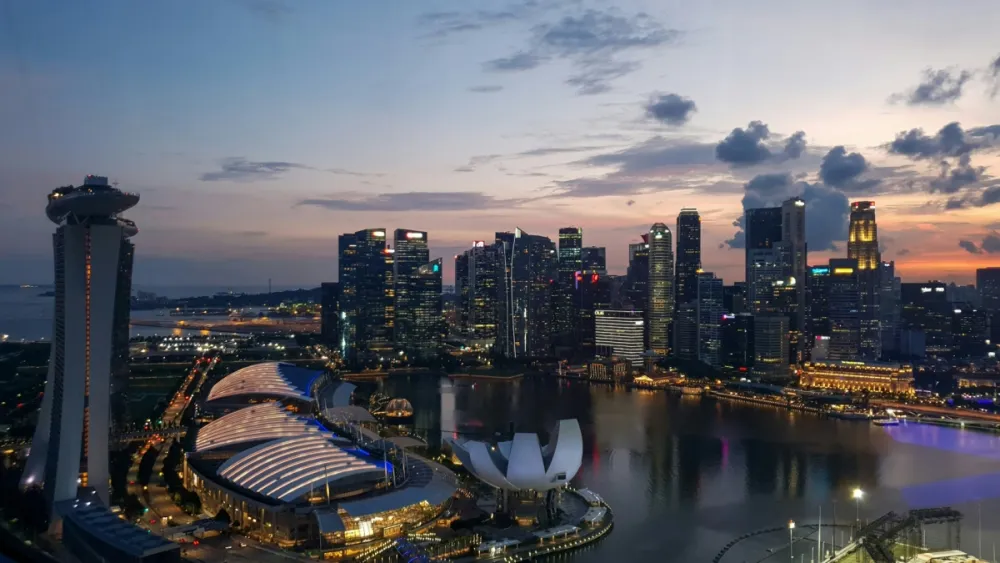
Meanwhile, tenants in Singapore are more receptive to early renewals or negotiations for relocations as the office market recovers and supplies are dwindling fast.

























 Read Here
 Advertise
 Sign Up