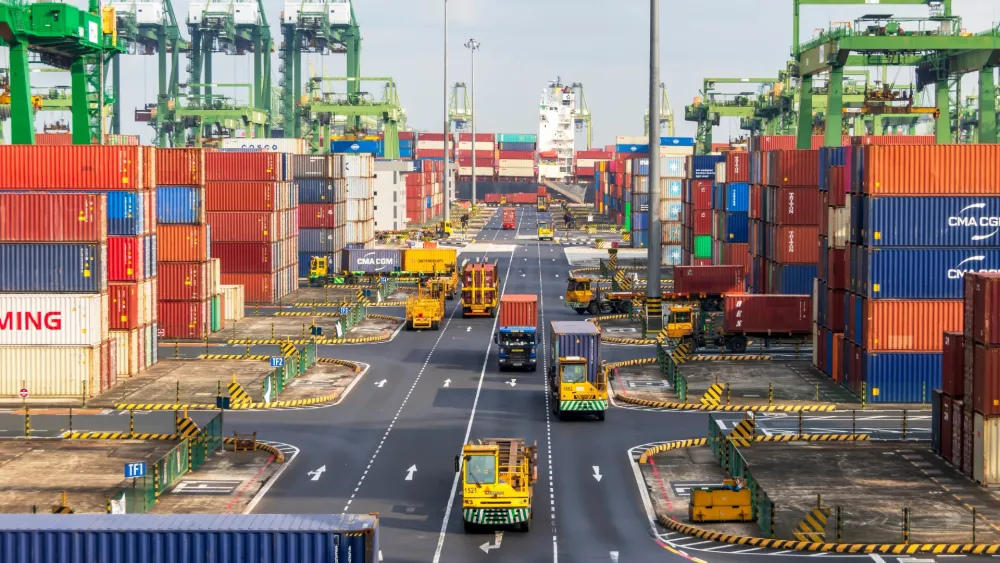
, Singapore
390 views
Photo by Pavel Danilyuk via Pexels

Keppel, ENGIE sign MoU on low-carbon energy systems

The two will focus on optimising energy systems and price risk management, amongst others.

Keppel Limited, through its Infrastructure Division, and ENGIE Energy Marketing Singapore (ENGIE) have signed a Memorandum of Understanding (MOU) to accelerate Asia Pacific’s transition towards low-carbon energy systems.

The MoU will leverage Keppel’s expertise in power, decarbonisation and energy transition solutions, and ENGIE’s expertise in integrated low-carbon energy systems.

Under the MOU, Keppel and ENGIE will focus on optimising energy systems, price risk management, and advancing low-carbon and renewable solutions.

It also aims to expand renewable power purchase agreements, storage and flexibility capabilities, and develop integrated and efficient energy solutions.
 

Join Singapore Business Review community
A NOTE FROM SINGAPORE BUSINESS REVIEW

Reaching the people who run Asia's businesses is harder than it used to be.

Inboxes are crowded. Attention is short. The executives you most want to reach — the founders, CFOs, and operators who actually move budgets — are the hardest to find through the usual channels. If you're building a company, a category, or a reputation, you already know this.

We've spent twenty years building the room they read. Singapore Business Review is where senior decision makers in Singapore and across Southeast Asia come for business coverage they can't get elsewhere — in print, online, and in person at the summits and roundtables we host across seven markets.

If you have something these readers should know about — a point of view worth publishing, a product worth their attention, an event worth their time — we'd like to hear what you're trying to do.

Top News

September surge masks looming export slowdown to 6% in 2027
Maybank raised its 2026 forecast to 27% from 18% in the same report.Non-oil domestic exports (NODX) growth could slow to 6% in 2027 as supply chain pressures and higher financing costs weigh on shipment momentum, Maybank Research Pte Ltd said.
Economy