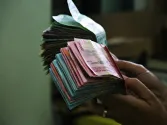
China eases tax burden for cosmetics
Here's how it will affect demand for imported products.
China's changes in consumption tax for cosmetics will likely help domestic demand of cosmetics only moderately as the price difference with overseas shopping remains high. This should also help offline sales of top global brands moderately, said Jefferies.
According to the new legislation announced, high-end cosmetics that are priced >RMB10/ml or >RMB15/piece will be subject to a consumption tax rate of 15%, while the consumption tax for lower-priced cosmetics will be waived.
Previously, all cosmetic products were subject to a 30% consumption tax rate. The new tax consumption rate will be effective on Oct. 1, 2016.
Other taxes on cosmetics, including import tax and VAT, remain unchaged at c10% and 17%, respectively.
"We believe the reduction in consumption tax would help to improve demand for imported cosmetic products moderately, and unlikely to be significant as the price differential between China and overseas cosmetic products remains high due to other taxes (import tax, VAT) and mark up," said Jefferies in a report.
The research firm also said that the reduction in taxes could add pressure to Sasa, which generated 68.7% of its revenue in HK/Macau from mainland China tourists.
Finally, Jefferies commented that cosmetic brands could benefit mildly from the tax reduction with more competitive pricing. L’Occitane generated 10.2% of its revenue from mainland China, and could potentially see mild benefit from the reduction in tax rate.
Other top global cosmetic brands sold offline could benefit as well, it said while noting that in contrast, it could make online sales of these brands less competitive in terms of pricing.























 Read Here
 Advertise
 Sign Up